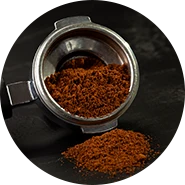

What's temperature have to do with it!

Coffee is deceptively simple: just water and ground beans. But small changes in how you brew—method, temperature, and grind size—can dramatically reshape what ends up in your cup. If you’ve ever wondered why the same beans taste bright and fruity one day and bitter the next, the answer usually lies in extraction.
The Core Idea: Extraction
At the heart of coffee brewing is extraction—the process of dissolving flavors from ground coffee into water. Under-extraction (too little) leads to sour, weak coffee, while over-extraction (too much) creates bitterness and harshness. The variables below determine where your brew lands on that spectrum.
Brew Methods: The Personality of Your Coffee
Different brewing methods control how long water interacts with coffee and how it flows through the grounds.
Pour-Over (e.g., V60)
Pour-over methods highlight clarity and nuance. Water passes through the coffee relatively quickly, producing a clean cup that emphasizes acidity and delicate flavors—think citrus, florals, and tea-like notes.
French Press (French press)
This immersion method steeps coffee in water for several minutes. The result is fuller-bodied and richer, with more oils and fine particles making it into the cup. Expect bold, sometimes slightly muddy flavors.
Espresso (Espresso)
Espresso uses pressure to force hot water through finely ground coffee in a short time. This creates an intense, concentrated shot with a creamy layer (crema) and strong flavors—often chocolatey, nutty, or caramel-like.
Cold Brew (Cold brew coffee)
Cold brew uses time instead of heat, steeping coffee in cold water for hours. The result is smooth, low-acid, and naturally sweet, but often less aromatic than hot methods.
Vietnamese Phin (Phin)
The Vietnamese phin is a small metal drip filter that sits directly on your cup. It uses a slow, gravity-driven process—somewhere between pour-over and immersion. Coffee drips steadily through a compacted bed of medium-to-coarse grounds, often taking 4–6 minutes.
Phin brewing typically produces a bold, rich, and slightly heavy-bodied cup. Because the extraction is slow and the filter is metal (allowing oils through), the flavor leans toward deep chocolate, roasted nuts, and sometimes a gentle bitterness. It’s famously paired with sweetened condensed milk, creating the iconic Vietnamese iced coffee—intensely strong, sweet, and creamy.
Temperature: The Flavor Gatekeeper

Water temperature controls how quickly compounds dissolve.
- Too hot (above ~96°C): Extracts bitter compounds more aggressively, potentially overwhelming subtle flavors.
- Too cool (below ~85°C): Leads to under-extraction, producing sour, thin coffee.
- Ideal range (90–96°C): Balanced extraction, where sweetness, acidity, and bitterness harmonize.
With a phin, slightly lower temperatures (around 85–90°C) are often preferred to prevent too hot, and bitter alkaloids with over-extraction during the longer drip time. Try boiling the kettle first and get your brewing equipment ready, by the time you have done this the temperature should be about right.
Grind Size: The Unsung Hero
Grind size determines how much surface area is exposed to water.
- Coarse grind (like sea salt): Slower extraction. Ideal for French press and cold brew. Produces smoother, less bitter coffee.
- Medium grind (like sand): Balanced extraction. Common for drip machines and pour-over.
- Medium-coarse (for phin): Helps control the slow drip rate—too fine will clog and over-extract, too coarse will drip too quickly and taste weak.
- Fine grind (like sugar): Fast extraction. Necessary for espresso but can turn bitter if overdone.
Think of grind size as a speed control: finer grinds accelerate extraction, while coarser grinds slow it down.
How It All Comes Together

These variables don’t act independently—they interact:
- A fine grind + hot water + long brew time = likely over-extracted and bitter
- A coarse grind + cool water + short brew time = likely under-extracted and sour
- A medium-coarse grind + steady drip (phin) = rich, balanced, and full-bodied
Balance comes from aligning all three with your brew method.
Finding Your Perfect Cup
There’s no single “correct” way to brew coffee. Taste is personal. Some people love the bright acidity of a pour-over; others prefer the heavy body of a French press or the intense sweetness of Vietnamese-style coffee.
If you want to experiment:
- Adjust one variable at a time
- Taste carefully and take notes
- Aim for balance—sweetness, acidity, and bitterness in harmony
Coffee brewing is part science, part craft. Once you understand how method, temperature, and grind shape extraction, you can start dialing in your cup exactly the way you like it—even if that perfect cup comes slowly dripping from a phin.


